
Doors We Install
Scroll below to see our brochures! We offer a wide variety of manufacturers such as AMSCO, Amerimax, AMSCO, and Simonton. Don’t see a style of door you want? Odds are we can get it. CLICK HERE FOR A FREE ESTIMATE!

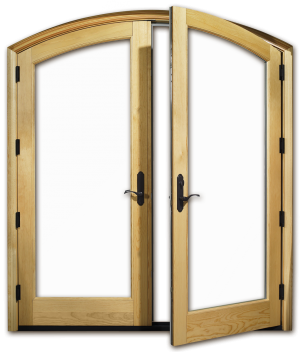
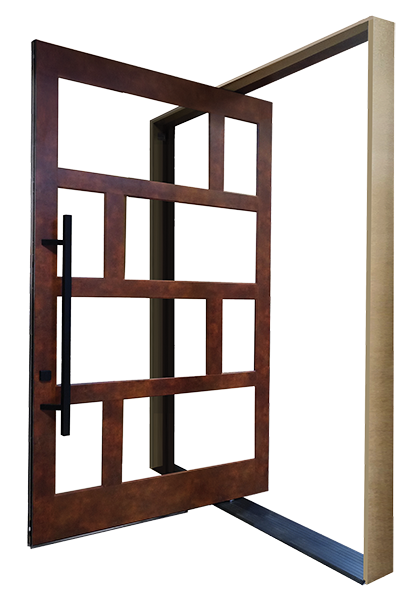
French Doors

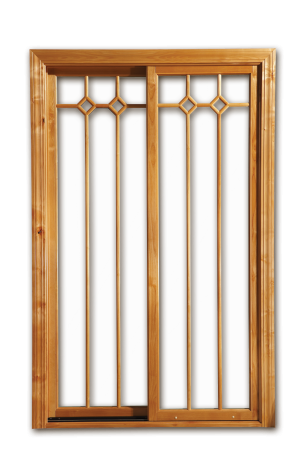
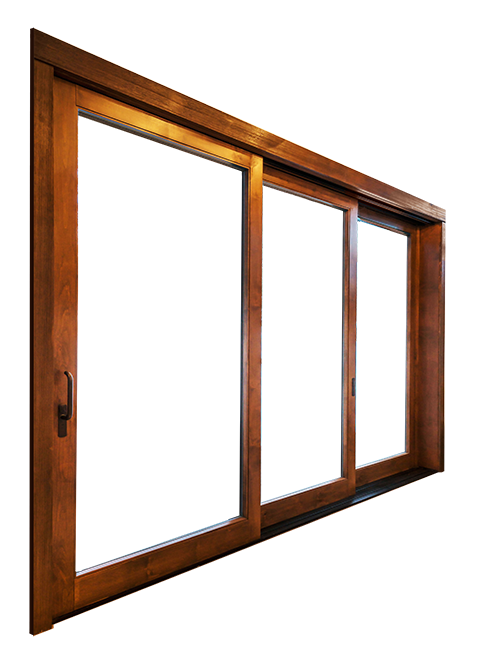
Patio Sliding Doors

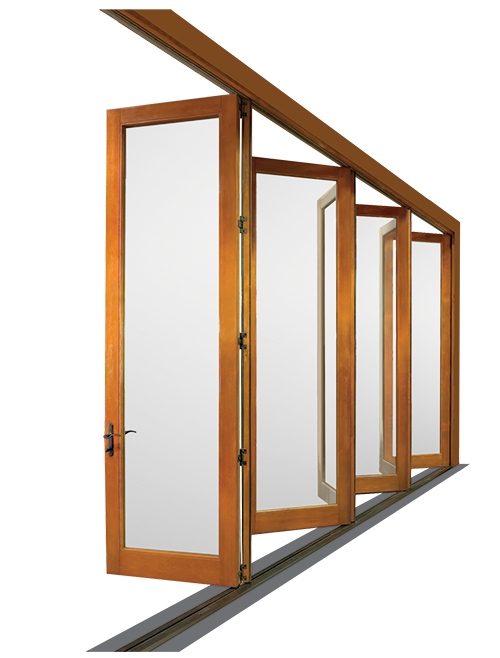
Bi-fold Doors

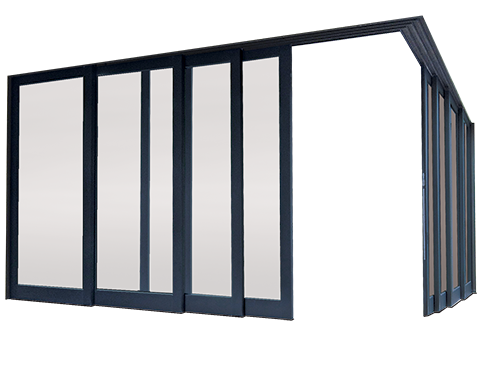
Multi-slide Doors
Brochures


AMSCO


SIERRA PACIFIC


Door Replacement and Patio Doors FAQs
Replacing a patio door can improve comfort, operation, energy performance, and access when the existing unit is worn, drafty, damaged, or inefficient. Hardy Windows installs French doors, patio sliding doors, bi-fold doors, and multi-slide doors from manufacturers including Milgard, Pella, AMSCO, Simonton, Sierra Pacific, and All Weather, with options suited to different homes and performance priorities.
How do I know if I should replace my patio door instead of repairing it?
Patio door replacement usually makes more sense when the door has recurring air or water leaks, damaged frames, failed insulated glass, difficult operation, poor security, or outdated energy performance. Minor hardware, roller, or adjustment problems may be repairable, but widespread deterioration can make replacement the more practical long-term solution.
Replacement may be appropriate if you notice:
- Persistent drafts even after weatherstripping or adjustments.
- Condensation or fogging between panes, which can indicate an insulated glass seal failure.
- Rot, corrosion, warping, or structural deterioration around the frame.
- Repeated sticking, dragging, or difficulty locking the door.
- Water intrusion around the sill or frame.
- Loose or outdated locking hardware that affects security.
- Noticeable heat entering through a large glass area.
- An older door that no longer matches the home’s comfort or efficiency goals.
Repair may make more sense when:
- Rollers, locks, handles, or weather-stripping are the primary problem.
- The frame remains square, stable, and free from significant damage.
- Glass and seals are still performing properly.
- The problem can be corrected without repeatedly servicing the door.
Will an energy-efficient patio door save enough on energy bills to justify the upgrade?
An energy-efficient patio door can reduce unwanted heat transfer and air leakage, but energy savings alone do not guarantee that the replacement will pay for itself. The financial benefit depends on the existing door’s condition, glass area, sun exposure, local climate, HVAC efficiency, product performance, installation quality, and household energy use.
Factors that can increase potential energy savings include:
- Replacing an older single-pane or poorly insulated door.
- Eliminating substantial air leakage around the existing frame.
- Selecting insulated glass appropriate for the local climate.
- Choosing a lower Solar Heat Gain Coefficient where excessive solar heat is a concern.
- Improving the door’s U-factor compared with the existing product.
- Correcting gaps or installation deficiencies that allow conditioned air to escape.
- Replacing deteriorated seals and poorly fitting panels.
Factors that may reduce the financial payoff include:
- Replacing a relatively new door that already performs efficiently.
- Installing highly upgraded options where the additional efficiency gain is small.
- Having other major sources of energy loss elsewhere in the home.
Selecting a product based solely on appearance rather than verified performance ratings.
The National Fenestration Rating Council, or NFRC, provides standardized performance ratings that allow buyers to compare windows and doors more objectively. Two particularly useful measurements are:
| Rating | What It Measures | Why It Matters |
|---|---|---|
| U-Factor | Rate of heat transfer through the product | Lower values generally indicate better resistance to heat transfer |
| Solar Heat Gain Coefficient (SHGC) | Amount of solar heat transmitted through the product | Lower values can help reduce unwanted solar heat gain |
| Visible Transmittance | Amount of visible light passing through the glass | Helps balance daylight with energy-performance goals |
| Air Leakage | Air passing through the assembled product | Lower leakage can improve comfort and reduce drafts |
Which patio door is best if energy efficiency is my top priority?
The best patio door for energy efficiency is the specific configuration with appropriate NFRC-rated glass, frame construction, weather-sealing, and professional installation, not simply one door style. Buyers should compare U-factor, Solar Heat Gain Coefficient, air leakage, glass packages, frame materials, and exposure conditions before choosing between sliding, French, bi-fold, or multi-slide doors.
Prioritize these performance characteristics:
Appropriate U-factor
A lower U-factor generally indicates greater resistance to heat transfer through the complete door assembly.
Appropriate Solar Heat Gain Coefficient
SHGC measures how much solar heat enters through the product. For areas receiving substantial direct sun, controlling solar heat gain can be particularly relevant.
Insulated glass
Multiple-pane insulated glass assemblies can provide better thermal performance than older single-pane configurations.
Low-emissivity glass
Low-E coatings are designed to manage radiant heat transfer while allowing useful daylight into the home.
Tight weathersealing
Even high-performing glass cannot compensate for excessive air leakage around poorly sealed panels or frames.
Correct installation
The complete opening needs proper alignment, flashing, sealing, and integration with the surrounding wall assembly.
Hardy Windows lists several patio door categories and manufacturers that provide different material and glass options.
| Patio Door Option | Energy-Efficiency Considerations | Best Fit |
|---|---|---|
| Sliding patio door | Fewer operable joints than some multi-panel systems; performance depends on glass, frame, interlocks, and seals | Buyers wanting efficient operation without door-swing clearance |
| French door | Can perform efficiently when properly weathersealed and equipped with suitable insulated glass | Buyers who prefer hinged operation and traditional styling |
| Bi-fold door | Large openings and multiple panel joints make product engineering and installation especially important | Buyers prioritizing a wide indoor-outdoor opening |
| Multi-slide door | Large expanses of glass require careful attention to SHGC, U-factor, frame design, and panel seals | Buyers prioritizing expansive views and large openings |
What is required to replace an existing patio door?
Replacing an existing patio door typically requires an evaluation of the opening, accurate measurements, product and configuration selection, verification of structural and installation requirements, removal of the existing unit, preparation of the opening, installation, sealing, adjustment, and final inspection. Additional construction or approvals may be required if the opening’s dimensions or structure will change.
A typical patio door replacement process includes:
- Evaluate the existing door and opening
The installer checks the frame, sill, surrounding wall conditions, operation, signs of water intrusion, and potential structural concerns. - Take precise measurements
Accurate opening dimensions are needed before ordering the replacement. Measurements become especially important for custom-sized doors and large multi-panel systems. - Choose the door configuration
Hardy Windows installs several types of patio doors, including:- French doors
- Patio sliding doors
- Bi-fold doors
- Multi-slide doors
- Select the manufacturer, material, and glass package
The landing page references manufacturers such as Milgard, Pella, AMSCO, Simonton, Sierra Pacific, and All Weather. Available materials and specifications vary among product lines. - Determine whether structural changes are necessary
Replacing a door with another unit designed for the same opening is generally less involved than widening or changing the opening for a large multi-slide or bi-fold system. - Verify permit or approval requirements
Requirements can vary by city, project scope, property type, and local building regulations. Homeowners in an HOA may also need architectural approval before changing the exterior appearance or dimensions of a patio door. - Remove the existing door
The old panels, frame components, and related materials are removed as required by the replacement method. - Prepare the opening
The installer checks that the opening is properly sized, level, plumb, structurally sound, and ready to manage water around the new unit. - Install and seal the new patio door
The frame and panels are positioned, secured, flashed or sealed as appropriate, and integrated with the surrounding construction. - Adjust and test the door
Sliding panels, hinges, locks, rollers, latches, and weatherseals should be checked to confirm proper operation.
Will replacing my patio door automatically lower my energy bills?
No. Replacing a patio door does not automatically lower energy bills because household energy consumption depends on the entire building, not one opening. A better-performing patio door can reduce heat transfer and air leakage, but the actual savings vary according to the old door, new product, installation, climate, sun exposure, HVAC system, insulation, and occupant behavior.
A replacement is more likely to improve energy performance when the existing door has:
- Significant drafts or air leakage.
- Older single-pane glass.
- Failed insulated glass seals.
- Poorly fitting panels.
- Deteriorated weatherstripping.
- Large amounts of unwanted solar heat gain.
- Gaps between the frame and surrounding construction.
However, several other parts of the home influence utility use, including:
- Attic and wall insulation.
- Windows and other exterior doors.
- Heating and cooling equipment.
- Duct leakage.
- Thermostat settings.
- Air infiltration elsewhere in the building envelope.
- Window coverings and shading.
- Household occupancy and energy habits.
For this reason, an energy-efficient patio door should be evaluated by measurable product performance, not by a promise of a particular percentage of energy savings.
What areas do you serve for door replacement and patio door installation?
Hardy Windows provides door replacement and patio door installation throughout Orange County, including Yorba Linda and communities surrounding its Placentia location, while also serving customers and projects in the Los Angeles area. Installations must account for applicable California building requirements, local municipal codes, permit rules, and energy-efficiency standards based on the project’s scope and location.
- Primary Target Cities:
- Surrounding Towns & Neighborhoods:
Regional coverage may include nearby communities such as:
-
- Anaheim
- Anaheim Hills
- Brea
- Fullerton
- Orange
- La Habra
Homeowners outside the primary markets should confirm project-specific availability with Hardy Windows, particularly for residential installation work.
- County / Regional Coverage:
-
- Orange County
- Greater Los Angeles area
Southern California service territory for applicable residential and multifamily projects


